November 9, 2026
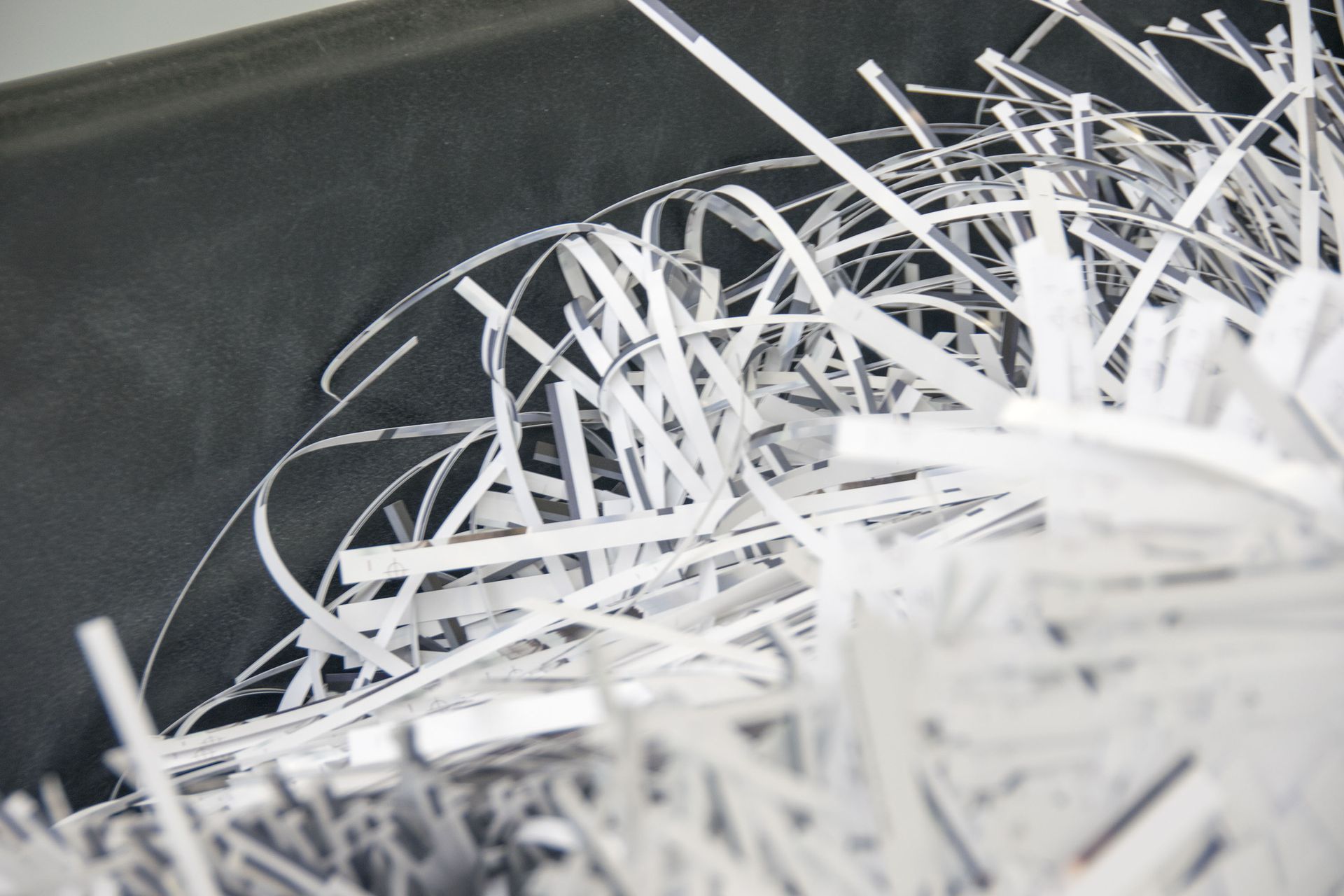
Personal and business documents often contain information that should not be shared with others. Financial records, medical paperwork, and everyday mail can include private details that may create problems if they fall into the wrong hands. Knowing which documents to keep and which to dispose of can help people protect their personal information and maintain privacy. Document shredding provides a way to discard sensitive paperwork while reducing the risk of information being exposed. Understanding which documents should be shredded can help individuals and businesses make informed decisions about managing their records and protecting confidential details.
Identifying Personal Information
Personal documents often contain details that can be used to identify an individual. These records may seem harmless when they are no longer needed, but they can still contain information that should not be shared. Old identification forms, copies of personal records, and applications containing sensitive details are examples of paperwork that may need to be shredded. Documents containing Social Security numbers, signatures, or other identifying information should also be handled carefully. Even personal letters may contain private details that individuals would prefer to keep confidential.
Some personal records may need to be retained for future reference. Individuals should consider whether a document has an ongoing purpose before deciding to discard it. Records that are no longer needed and contain sensitive information may be appropriate for shredding. People should also consider documents that contain information about family members. School records, personal correspondence, and other paperwork may include details about children or relatives. Protecting these records can help reduce the possibility of personal information being exposed.
Reviewing Financial Records
Financial paperwork is one of the most common categories of documents that should be handled carefully. These records often contain account information, transaction details, and other information that could be misused if it becomes available to someone else. Old bank statements, credit card statements, canceled checks, and loan paperwork may contain information that should remain private. Financial applications, payment receipts, and documents showing account numbers can also create privacy concerns when they are no longer needed. Reviewing these records regularly can help people identify unnecessary paperwork and protect their financial information.
Financial records can provide information about a person's spending habits, income, and financial relationships. Even when an account has been closed, old paperwork may still contain details that should remain private. People should review financial records before discarding them. Some documents may be needed for tax preparation, financial planning, or resolving questions about past transactions. Keeping these records organized can make it easier to locate important information when needed. Once these records are no longer necessary, document shredding can help reduce the amount of sensitive paperwork kept in storage.
Managing Tax Documents
Tax paperwork often contains a combination of financial and personal information. These documents may include income details, identification numbers, employment records, and information about deductions or payments. Old tax returns, income statements, tax payment records, and receipts used for tax preparation may all contain sensitive information. Employment tax records can also include details that should be protected. These documents should be reviewed carefully before being discarded because some may need to be retained for a specific period.
According to the Internal Revenue Service, individuals should keep employment tax records for at least 4 years after the date that the tax becomes due or is paid, whichever is later. This retention period is important when reviewing employment-related paperwork. Individuals should consider the purpose of each record and whether it may still be needed for tax reporting or other financial matters. Once the appropriate retention period has passed and the documents are no longer necessary, sensitive records may be considered for shredding. Keeping tax documents organized can also make it easier to locate important information when preparing future returns. A regular review of older paperwork can help individuals identify records that are no longer needed while protecting those that must remain available.
Protecting Medical Information
Medical paperwork often contains private information about a person's health, treatment, and personal history. These records may include identifying details that should not be available to the public. Old medical bills, insurance statements, prescription records, and appointment paperwork may contain personal information. Medical forms and documents showing insurance identification numbers can also require careful handling. Even routine billing statements may include details that individuals prefer to keep private.
Medical records can contain information that people may prefer to keep confidential. Some documents may be needed for insurance claims, tax records, or future appointments. Individuals should consider whether they need to retain a document before discarding it. Records that are no longer required can be handled through document shredding to help protect personal information. Medical paperwork belonging to other family members should also be reviewed carefully. Documents containing another person's information should be handled with the same attention to privacy.
Reviewing Employment Records
Employment paperwork can contain a wide range of personal and financial details. These documents may be collected during the hiring process, throughout employment, or when an individual leaves a position. Old job applications, employment forms, and pay stubs may contain information that should not be shared. Records showing banking information, Social Security numbers, or employee identification details can also create privacy concerns when they are no longer needed.
Employment records may be useful when applying for another position, reviewing income, or preparing tax documents. However, not every record needs to be kept indefinitely. People should consider whether employment paperwork serves an ongoing purpose. Documents containing private details may become unnecessary after a certain period. Reviewing these records can help reduce clutter while limiting the amount of sensitive information kept in storage. Businesses should also consider the privacy of current and former employees when managing their records. Employment paperwork may contain personal details that should not be available to individuals who do not have a legitimate reason to access them.
Handling Business Documents
Businesses often manage large amounts of paperwork containing confidential information. Financial records, employee information, customer details, and internal communications may all require careful handling. Old customer applications, financial statements, business account records, and employee paperwork may contain sensitive details. Internal documents showing customer contact information or private business information should also be reviewed before disposal.
Business paperwork can contain information about customers, employees, suppliers, and company operations. Discarding these records without considering their contents may expose information that should remain confidential. Businesses should review their document retention practices regularly. Some records may need to be retained for accounting, legal, or operational purposes. Others may no longer serve a useful function. A clear approach to document shredding can help businesses manage their paperwork while reducing the risk of sensitive information being exposed. Seeking professional help may be appropriate when large amounts of confidential paperwork need to be handled.
Reviewing paperwork regularly helps people identify which records to keep and which to discard. Separating documents by their purpose can reduce clutter and prevent important records from being lost. Document shredding offers a more appropriate way to dispose of sensitive paperwork than ordinary waste. Seeking professional help can be useful when handling large amounts of confidential information. Shredding unnecessary financial, tax, medical, and employment records helps protect personal information. Reviewing documents before disposal can also reduce clutter while keeping important records accessible. For help with managing sensitive paperwork, contact Ship It Right USPS to discuss how professional
document shredding can support your document disposal needs.