May 7, 2026
The logistics landscape is currently undergoing a massive transformation as consumer habits shift toward a digital-first approach. Every morning, thousands of local facilities begin their operations with the daunting task of sorting through an unprecedented volume of goods intended for households across the nation. This surge in volume is not merely a seasonal spike but a permanent shift in how people acquire everything from basic groceries to high-end electronics. The strain on the national infrastructure is visible, yet the system continues to adapt through a combination of technological innovation and traditional labor.
Understanding how these hubs maintain efficiency requires a look at the intricate web of sorting centers and delivery routes that span the country. The central role of the local post office has never been more critical than it is today. As traditional letters become less common, the focus has shifted entirely toward the movement of physical goods. This evolution has forced a complete rethinking of how space is utilized within these buildings and how vehicles are loaded for their daily rounds.
The sheer scale of this operation is difficult to comprehend without looking at specific data points regarding modern commerce. According to SellersCommerce, 773 packages are shipped every second in the United States. This staggering rate of movement highlights the necessity for a robust and reliable system that can handle continuous input without collapsing under the pressure of constant demand.
Implementing Advanced Sorting Technology
The primary method for managing this relentless flow of parcels is the integration of automated systems that can identify destinations in the blink of an eye. Modern facilities have moved away from manual sorting, replacing older methods with high-speed belts and optical scanners. These machines are capable of reading labels even when they are partially obscured or placed on irregular surfaces. By utilizing these tools, a single post office can process significantly more volume than was possible during previous decades.
Beyond simple sorting, data analytics now play a major role in predicting when surges will occur. By analyzing historical trends and current purchasing behavior, administrators can allocate staff more effectively before a backlog even begins to form. This proactive stance is essential for maintaining the speed that consumers have come to expect in the modern age. When technology and human oversight work in harmony, the result is a seamless flow of goods from the manufacturer to the front porch.
Expanding the Fleet Capacity
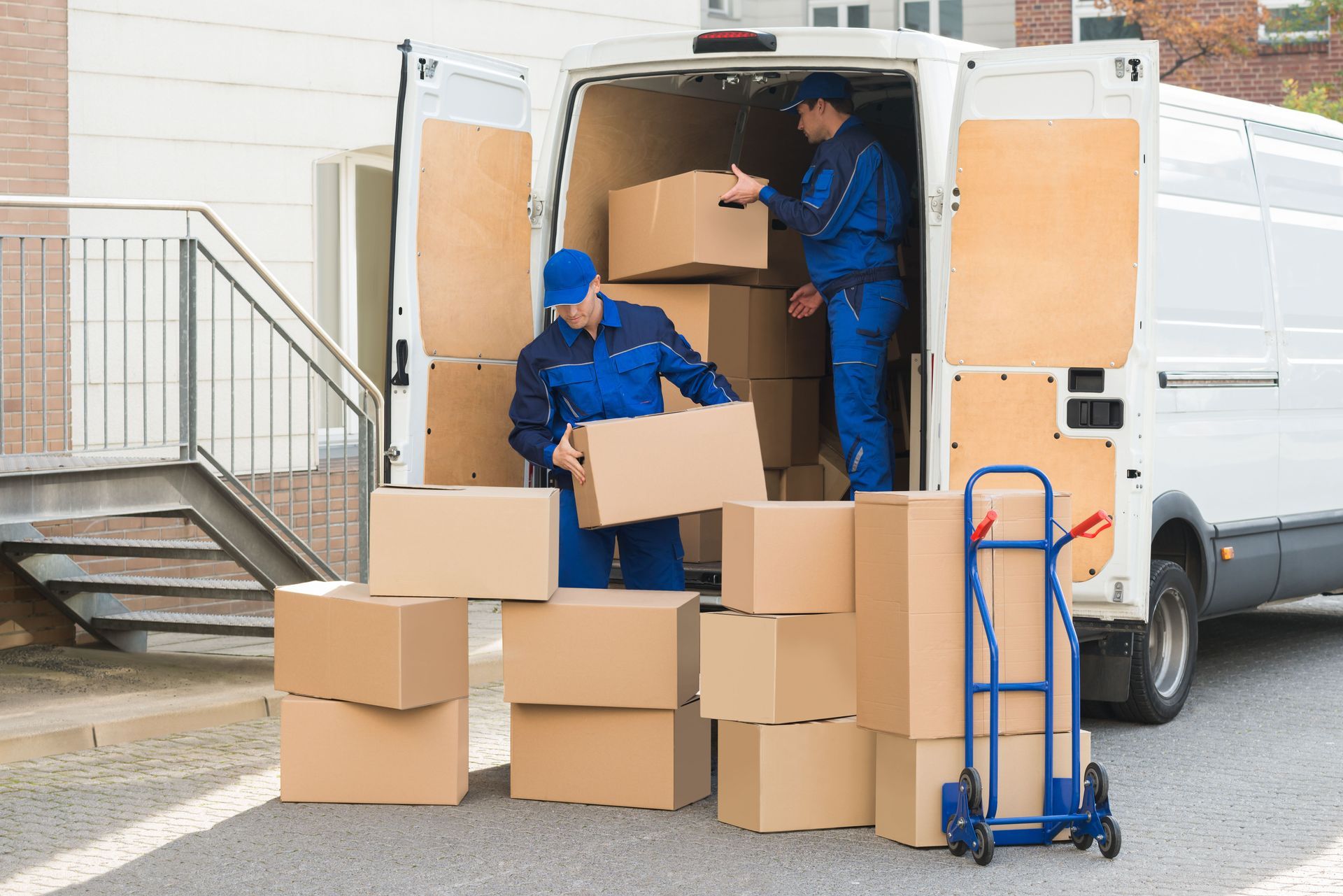
With the increase in package size and quantity, the traditional small delivery vehicles are often no longer sufficient for the job. Many regions are seeing a transition to larger vans that can carry a greater variety of box sizes. This shift allows a carrier to complete their entire route without needing to return to the post office for a mid-day reload. Reducing the number of trips back to the central hub saves time and decreases the amount of fuel used during a shift.
The fleet is also seeing an infusion of alternative energy vehicles to combat the rising costs of traditional fuel and to reduce the environmental impact of constant driving. These new models are often designed with the ergonomic needs of the carrier in mind, featuring easier access to the cargo area. As these vehicles become more common, the efficiency of the final mile of delivery improves, ensuring that even the most remote locations receive their items on schedule.
Optimizing Route Efficiency Systems
Mapping software has become a secret weapon for those tasked with navigating busy city streets and winding rural roads. By calculating the most efficient path for every single stop, these systems minimize the time spent idling in traffic or making unnecessary turns. Every minute saved on a route contributes to the overall capacity of the post office to handle more deliveries without increasing the length of the workday for employees.
These systems also allow for real-time updates. If a road is closed or weather conditions change, the carrier can be diverted to a safer or faster path instantly. This level of flexibility was once impossible, but it is now a standard requirement for any organization involved in national logistics. The goal is always to keep the mail moving forward, regardless of the obstacles that may arise throughout the day.
Enhancing Workplace Safety Protocols
Handling a record-breaking number of parcels brings unique physical challenges to the workforce. To address this, many locations have introduced new training programs focused on proper lifting techniques and the use of mechanical aids. By reducing the risk of injury, the facility ensures that they have a full team available to meet the daily requirements of the community. A healthy workforce is the backbone of any successful delivery operation.
Safety also extends to the technology used within the building. New conveyor systems are equipped with sensors that can detect if a box is stuck or if a mechanical part is failing. This prevents long periods of downtime that could lead to a massive accumulation of unsorted mail. Maintaining a safe and functional environment allows the post office to remain operational twenty-four hours a day when necessary to clear out high volumes during peak periods.
Updating Customer Communication Portals
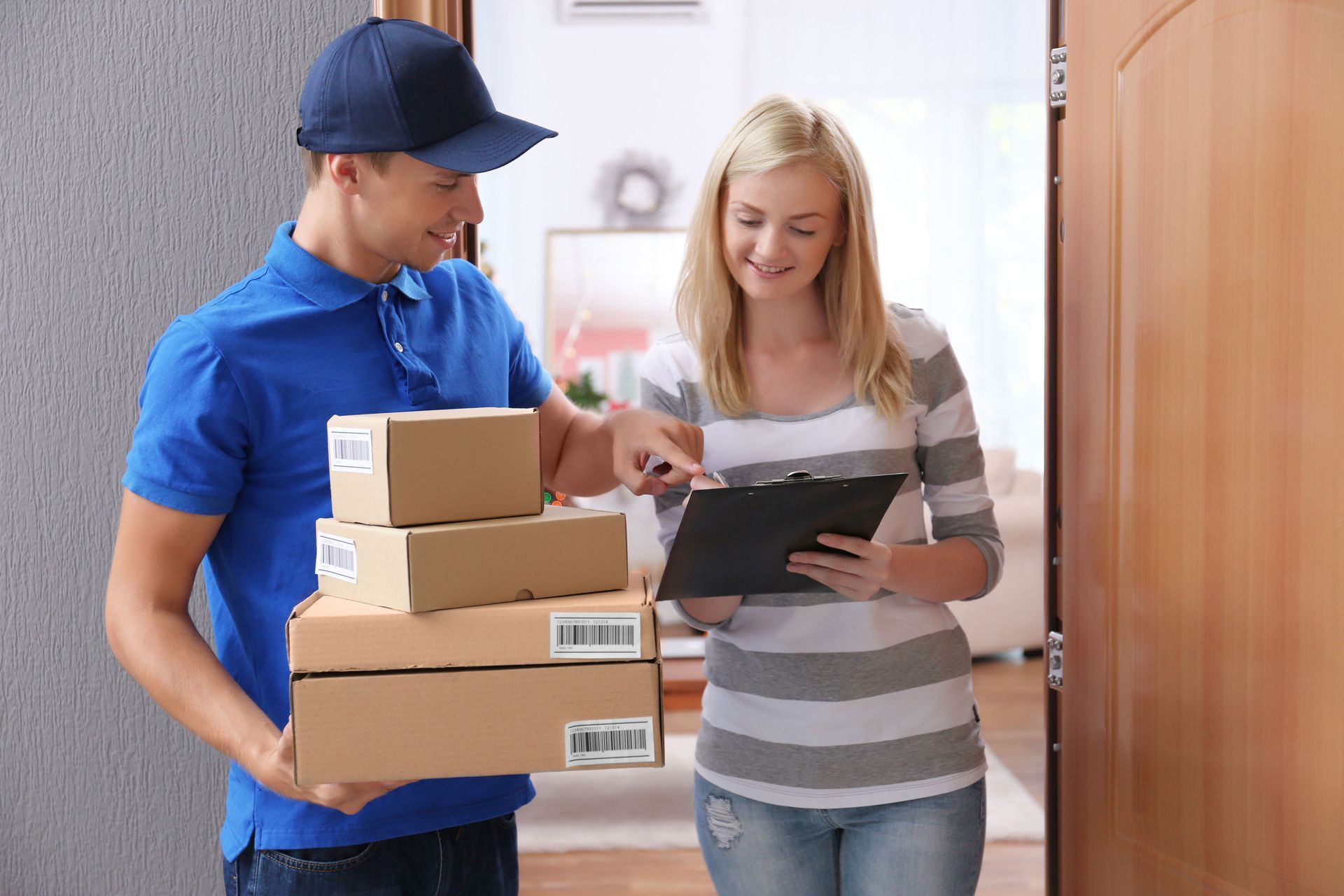
Transparency has become a major focus for the modern postal system. Customers now expect to know exactly where their items are at any given moment. To meet this expectation, digital tracking systems have been overhauled to provide more frequent updates as a package moves through different stages of the journey. When a parcel is scanned at the local post office, the recipient is often notified within seconds via a mobile application or email.
This open line of communication reduces the number of inquiries that staff must handle manually, allowing them to focus on the physical task of moving mail. Furthermore, many digital portals now allow customers to provide specific instructions for where a package should be left if they are not home. This level of customization improves the overall experience and ensures that items are delivered safely on the first attempt.
- Digital tracking provides peace of mind for high-value items.
- Mobile alerts keep residents informed of delivery times.
- Online scheduling allows for easy package pickups from home.
- Electronic signatures streamline the process for restricted items.
Strengthening Community Distribution Networks
The final step in handling high demand is the strengthening of ties between regional hubs and local satellite locations. By sharing resources during times of extreme volume, the network can balance the load across different areas. If one post office is overwhelmed, neighboring facilities can often step in to assist with sorting or delivery tasks. This collaborative spirit is what allows the system to remain resilient even during the busiest weeks of the year.
Investment in local infrastructure remains a priority. This includes expanding loading docks and creating more space for temporary storage when needed. As the volume of shipments continues to climb, the physical layout of these buildings must continue to evolve to prevent bottlenecks. These diverse physical attributes ensure your home remains both safe and stunning regardless of the challenges it faces.
Navigating the complexities of modern shipping requires a partner who understands the importance of speed, safety, and reliability. Whether you are sending a small gift to a friend or managing a large inventory for a growing business, having a dependable team on your side makes all the difference. When you need to ensure that your items reach their destination without delay, trust the professionals at Ship It Right USPS. Contact us today!